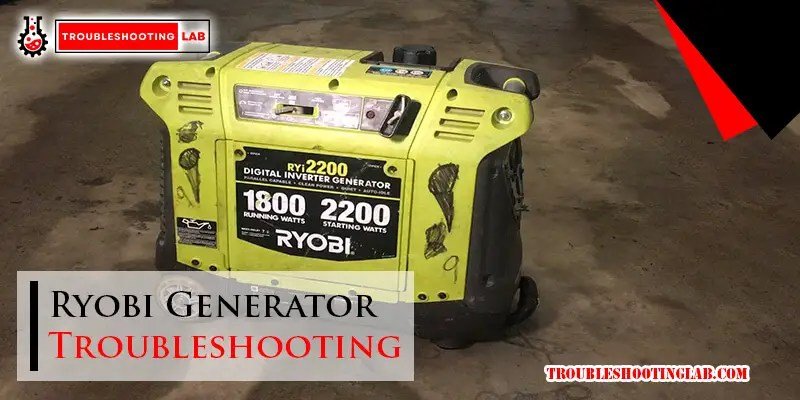
When the power goes out, or you need reliable juice on the go, your Ryobi inverter generator is often your best friend. But what happens when it suddenly acts up – maybe it won't start, the power flickers, or it’s making strange noises? Don't panic. Many common Ryobi inverter generator issues have straightforward fixes you can handle yourself. This guide will walk you through troubleshooting these problems, turning frustration into a satisfying DIY triumph.
Navigating generator glitches can feel daunting, but with a little know-how, you can often diagnose and resolve the most frequent hiccups without calling a professional. From a simple fuel check to understanding your generator's electrical output, we’ll equip you with the knowledge to get your Ryobi humming smoothly again.
At a Glance: Quick Troubleshooting Takeaways
- Won't Start? Check fuel (freshness, level), spark plug, choke, and oil level.
- No Power Output? Inspect circuit breakers, check for residual magnetism, and ensure no overload.
- Engine Sputtering/Unstable Power? Suspect a dirty carburetor or stale fuel.
- Overheating? Look at air filter, ventilation, and oil level.
- Odd Noises? Tighten loose parts, check exhaust, or inspect for damaged components.
- Safety First: Always disconnect the spark plug wire before inspecting engine components and ensure the generator is off.
- Routine Maintenance: Prevention is key; regular oil changes and filter cleaning prevent many common issues.
When Your Ryobi Won't Start: The Silence Before the Storm
There's nothing quite as frustrating as pulling the cord or hitting the start button only to be met with silence, or a weak sputter. Most Ryobi generator startup issues boil down to a few core problems. Let's break them down.
Fuel System Checks: The Lifeblood of Your Generator
Your generator needs clean, fresh fuel to ignite. This is often the first and easiest place to start your troubleshooting.
Problem: Generator cranks but won't catch, or sputters and dies.
- Stale or Low Fuel: Gasoline degrades over time, especially if left in the tank for months. Old fuel can gum up the carburetor and prevent proper combustion.
- Solution: Check the fuel tank. Is it full? If the fuel has been sitting for more than a month, it’s likely stale. Drain the old fuel completely from the tank and the carburetor (using the drain screw usually found at the bottom of the float bowl). Refill with fresh, high-octane gasoline. For future storage, consider adding a fuel stabilizer.
- Clogged Fuel Filter/Line: Debris or old fuel residue can block the fuel filter or lines, starving the engine of fuel.
- Solution: Inspect the fuel line for any visible kinks, cracks, or obstructions. If you suspect a clog, you might need to disconnect the fuel line (with the fuel valve off!) and check for flow. Replace the fuel filter if it looks dirty or clogged. Some filters are inline and easy to swap out.
Spark Plug: The Ignition Point
The spark plug is responsible for igniting the air-fuel mixture. A dirty, damaged, or incorrectly gapped plug can easily prevent a start.
Problem: Engine won't ignite despite fresh fuel.
- Fouled or Damaged Spark Plug: Carbon buildup, oil fouling, or a damaged electrode can prevent a strong spark.
- Solution: Disconnect the spark plug wire. Using a spark plug wrench, carefully remove the plug. Inspect it for black, oily deposits (fouling), excessive wear, or cracks. Clean any carbon buildup with a wire brush or fine-grit sandpaper. Check the gap with a feeler gauge, adjusting if necessary (refer to your Ryobi manual for the correct gap). If it looks heavily worn or damaged, replace it with the correct type of spark plug specified in your generator's manual. A good spark plug should have a clean, light brown or grayish-white tip.
Choke & Oil: Essential Pre-Flight Checks
Before even thinking about starting, these two simple checks are often overlooked.
Problem: Engine attempts to start but quickly dies, or just cranks.
- Incorrect Choke Position: The choke enriches the fuel-air mixture for cold starts. If it’s not set correctly, the engine won't get the right mix.
- Solution: For a cold engine, ensure the choke lever is in the "Choke" or "Start" position. Once the engine starts and runs smoothly for a few seconds, move it gradually to the "Run" position. If the engine is already warm, you might not need the choke at all, or only briefly.
- Low Oil Level / Malfunctioning Oil Sensor: Ryobi inverter generators have a low-oil shutdown feature to protect the engine. If the oil level is too low, the generator simply won't start. A faulty sensor can also falsely indicate low oil.
- Solution: Check the oil level using the dipstick. If it's below the recommended level, add the correct type and amount of oil as specified in your Ryobi manual. Using the wrong oil viscosity can also trigger the sensor or cause damage. If the oil level is fine but it still won't start, the low-oil sensor might be dirty or faulty. Cleaning it can sometimes resolve the issue, but replacement may be necessary if it's truly malfunctioning.
Electric Start Woes: When the Button Fails
For models with electric start, the battery is another critical component.
Problem: Electric start button does nothing, or only clicks.
- Weak or Dead Battery: Like any battery, your generator's starting battery can lose charge or die.
- Solution: Use a voltmeter to check the battery's voltage. If it's low, try charging it with a suitable battery charger. If it doesn't hold a charge, you'll need to replace it. Also, inspect the battery terminals for corrosion. Clean any white or green powdery buildup with a wire brush and ensure all connections are tight. A loose or corroded terminal can prevent sufficient power flow.
No Power? Unstable Power? Getting to the Output Issues
So your Ryobi generator is running, but you're not getting any power, or the power is erratic. These issues usually point to problems with the generator's output components.
No Power Output: Total Blackout
Problem: Generator engine runs fine, but no power comes out of the outlets.
- Tripped Circuit Breaker: Just like your home's electrical panel, generators have circuit breakers to protect against overloads.
- Solution: Check all the circuit breakers on your generator's control panel. If any are "tripped" (usually popped out or switched to an "off" position), reset them. This often happens if you've plugged in too many high-wattage devices.
- Worn Brushes/Commutator: Inside the alternator, carbon brushes conduct electricity to the commutator. If these wear down or the commutator gets dirty, power generation stops.
- Solution: This is a more advanced fix. If you're comfortable, you can inspect the brushes for wear. If they're shorter than specified, they need replacement. The commutator might also need cleaning. For many, this is where a professional might be best consulted.
- Loss of Residual Magnetism: This is a surprisingly common issue. Generators need a small amount of residual magnetism in their rotor to "self-excite" and start producing power. This can be lost if the generator sits unused for a long time or experiences a hard short.
- Solution: You can "flash" the generator to restore residual magnetism. This typically involves momentarily applying a small DC voltage (e.g., from a 12V battery or a corded drill) to the generator's output windings while the engine is running. Always consult your generator's manual for specific flashing instructions and safety precautions. Incorrect procedure can damage the generator. For example, some people flash their generator by plugging in a small corded drill and starting the generator. The drill acts as a load and helps the generator self-excite.
Unstable Voltage: Flickering Lights and Unhappy Electronics
Problem: Power output fluctuates, lights dim and brighten, or sensitive electronics don't work correctly.
- Dirty Carburetor: A dirty carburetor doesn't just prevent starting; it can also cause the engine to run inconsistently, leading to unstable power output.
- Solution: A thorough cleaning of the carburetor jets and passages can resolve this. You can try a fuel system cleaner, but often, disassembling and manually cleaning with carburetor cleaner is required.
- Faulty Automatic Voltage Regulator (AVR): The AVR is responsible for maintaining a steady voltage output. If it's faulty, the voltage will fluctuate wildly.
- Solution: If cleaning the carburetor doesn't resolve the issue, and the engine runs smoothly but the voltage is still unstable, the AVR is a prime suspect. This component usually needs to be replaced if it fails.
- Vibrations/Unstable Surface: While less common for direct voltage issues, excessive vibration can sometimes affect sensitive components or connections.
- Solution: Ensure your generator is placed on a stable, flat surface during operation.
Overload Protection: Too Much Demanded
Problem: The overload light illuminates, and the generator shuts down or reduces power.
- Exceeding Generator Capacity: This is the most common cause. You've simply plugged in more devices than your generator can handle.
- Solution: Check the total wattage of all devices you have connected. Ensure it doesn't exceed your generator's running wattage capacity. Disconnect some appliances and reset the generator's circuit breaker (if it tripped) or turn the generator off and on again. Restart with fewer devices.
- Internal Electrical Fault: If the overload light comes on even with minimal load, there might be an internal electrical issue.
- Solution: This typically requires professional diagnosis. There could be a short circuit or a problem within the alternator.
- Clogged Filters Causing Overheating: A severely clogged air filter or insufficient ventilation can cause the engine to work harder, overheat, and trigger the overload protection.
- Solution: Regularly clean or replace your air filter. Ensure the generator is in a well-ventilated area, away from walls or obstructions. We cover more on overheating in a later section.
The Fuel System Fiasco: When Gas Goes Bad
The fuel system is intricate, and even small issues can lead to big problems. Many Ryobi generator owners face challenges related to fuel quality and flow.
Clogged Carburetor: The Grimy Culprit
We've mentioned it a few times because it's that common. The carburetor mixes fuel and air for combustion. Old, degraded fuel leaves sticky residues that clog tiny jets and passages.
Problem: Generator runs roughly, surges, stalls, or won't start.
- Residue Buildup: Ethanol in modern gasoline can attract water, leading to phase separation and gummy deposits.
- Solution: Turn off the fuel valve and drain the carburetor's float bowl (there's usually a small screw at the bottom). Spray carburetor cleaner directly into the bowl and through any visible ports. For persistent clogs, you might need to remove the carburetor, disassemble it, and clean the jets with a fine wire or carb cleaner.
- Prevention: Always turn off the fuel valve and run the generator until it dies when storing it for more than a few weeks. This consumes the fuel in the carburetor bowl, preventing it from going stale and leaving deposits. Adding a quality fuel stabilizer to your gas can also help immensely. For a deeper dive into generator maintenance, including keeping your fuel system pristine, check out our comprehensive guide on All about Ryobi inverter generators.
Stale Fuel: The Enemy of Engines
Problem: Generator runs poorly or won't start after sitting for a while.
- Degraded Gasoline: Fuel loses its volatility and can separate, becoming less effective and causing clogs.
- Solution: Completely drain all old fuel from the tank and carburetor. Refill with fresh, high-quality gasoline. Consider using non-ethanol fuel if available and recommended by your manual.
- Prevention: Use fuel stabilizer, or better yet, run the generator dry before long-term storage.
Clogged Fuel Lines or Filter: Blocked Pathways
Problem: Engine starves for fuel despite a full tank of fresh gas.
- Obstructions: Debris, rust, or degraded fuel lines can restrict fuel flow.
- Solution: Inspect the fuel lines visually for cracks, kinks, or signs of blockage. If accessible, disconnect a line and blow compressed air through it to clear any obstructions. Replace any fuel lines that are cracked or appear damaged.
- Fuel Filter: Don't forget the fuel filter! It's designed to catch debris before it reaches the carburetor. Check it for blockages and replace it if it's dirty.
Electrical Gremlins: The Spark and Flow Problems
Beyond the main power output issues, other electrical components can fail and lead to starting or running problems.
Spark Plug Revisited: More Than Just Starting
While critical for starting, the spark plug's condition affects how well the generator runs, too.
Problem: Generator misfires, runs rough, or lacks power.
- Worn or Dirty Plug: Even if it starts, a poor spark plug can cause inefficient combustion.
- Solution: Regularly inspect the spark plug for heavy carbon deposits, oil fouling, or a worn electrode. Clean it with a wire brush if needed, or replace it with a new one of the correct type and gap if it shows significant wear or damage. Always ensure the spark plug wire is securely connected.
Circuit Breakers: Not Just for Overloads
While often tripped by overloads, a faulty circuit breaker itself can prevent power from reaching outlets.
Problem: Generator runs, but no power, even after manually resetting.
- Internal Damage: A circuit breaker can fail internally, preventing power flow even when it appears "reset."
- Solution: Visually inspect the breaker for any signs of physical damage, cracks, or burn marks. If it continuously trips without an obvious overload, or if it feels loose/damaged, it may need to be replaced. Always ensure the generator is off and the spark plug wire is disconnected before inspecting electrical components.
Loose or Corroded Wiring: The Hidden Culprit
Problem: Intermittent power, starting issues, or random shutdowns.
- Poor Connections: Vibrations can loosen electrical connections over time, or corrosion can build up, impeding current flow.
- Solution: With the generator completely OFF and the spark plug wire disconnected for safety, carefully inspect all visible wiring connections. Look for loose terminals, frayed wires, or corrosion. Tighten any loose connections. Clean corroded terminals with a wire brush or electrical contact cleaner. Any heavily corroded or damaged wires should be replaced. Safety is paramount when dealing with electrical components. If unsure, consult a professional.
Hot & Bothered: Overheating and Odd Noises
A well-maintained Ryobi inverter generator runs relatively quietly and efficiently. Unusual noises or excessive heat are clear signals something isn't right.
Overheating: The Engine's Fever
Problem: Generator gets excessively hot, may shut down, or the overload light comes on.
- Clogged Air Filter: A dirty air filter restricts airflow to the engine, causing it to run "rich" (too much fuel, not enough air) and work harder, leading to overheating.
- Solution: Regularly clean or replace your air filter. Check it more frequently if operating in dusty environments. Most Ryobi filters can be washed with warm, soapy water, thoroughly dried, and reinstalled. Replace if torn or heavily soiled.
- Insufficient Airflow/Poor Ventilation: Generators need ample space around them for cooling air to circulate.
- Solution: Always operate your generator in a well-ventilated area, at least 3-5 feet away from buildings, vehicles, or other obstructions. Never run it in an enclosed space like a garage.
- Low Oil Level: Oil acts as a coolant for engine components. Insufficient oil can lead to increased friction and overheating.
- Solution: Check the oil level and add the specified grade of high-quality oil if it's low.
- Prolonged Continuous Operation: While Ryobi generators are built for durability, continuous heavy loads for many hours without a break can lead to overheating.
- Solution: If possible, allow the generator to cool down for a bit after several hours of continuous use, especially during hot weather or heavy loads.
Unusual Noises & Vibrations: The Generator's Complaint
Problem: Generator makes rattling, clanking, knocking, or excessive vibrating sounds.
- Loose Components: Vibrations from the running engine can loosen bolts, screws, and other fasteners.
- Solution: Carefully inspect the generator's housing, engine mounts, and any visible components. Tighten any loose screws, bolts, or fasteners.
- Damaged or Worn Parts: Internal engine components, the muffler, or cooling fan blades can become damaged.
- Solution: If the noise is a clanking or grinding, it could indicate a more serious internal engine issue (e.g., connecting rod, bearings) or a damaged cooling fan. A rattling sound might be a loose heat shield on the muffler, or a broken muffler baffle. Replace any visibly damaged parts like the muffler or fan shroud.
- Unstable Surface: Operating on an uneven or soft surface can exacerbate vibrations.
- Solution: Ensure the generator is placed on a stable, flat, and firm surface. Rubber feet on the generator help absorb some vibration.
- Clogged Exhaust System: Carbon buildup in the muffler or exhaust port can restrict exhaust flow, causing back pressure, odd noises, and reduced performance.
- Solution: Periodically clean the muffler and exhaust port for carbon buildup. This can be done by carefully scraping or using a chemical cleaner. Avoiding high-ethanol fuels can help reduce carbon deposits. Also, check the exhaust system for physical damage or holes that could alter the sound.
Keeping Your Ryobi Running Smoothly: Routine Maintenance
Many troubleshooting scenarios can be avoided with consistent preventative maintenance. Think of it as a small investment that pays off big time in reliability.
- Change the Oil Regularly:
- When: Check oil level before each use. Change the oil after the first 20 hours of operation (break-in period), then every 50 hours or every season, whichever comes first.
- How: Refer to your manual for the correct oil type (usually a specific SAE viscosity like 10W-30 or 5W-30). Warm up the engine for a few minutes, then shut it off, remove the drain plug, and allow all the old oil to drain. Replace the plug and refill with new oil to the proper level.
- Clean or Replace the Air Filter:
- When: Inspect the air filter every 25 hours of use, or more frequently in dusty conditions.
- How: Remove the air filter cover, take out the filter. If it's a foam filter, wash it in warm, soapy water, rinse thoroughly, squeeze dry, and then lightly oil it with engine oil before reinstalling. If it's paper, tap out loose dirt. Replace the filter if it's torn, heavily soiled, or a paper filter can't be cleaned.
- General Inspection:
- When: Before each use and periodically.
- How: Check the spark plug (as described above). Inspect fuel lines for cracks or leaks. Look at electrical connections for tightness and corrosion. Check all bolts and screws on the generator's housing and engine for tightness, and secure any that have loosened from vibration.
When to Call in the Pros: Knowing Your Limits
While DIY fixes are empowering, there are times when professional help is the smarter, safer, and sometimes even more cost-effective choice.
- Persistent Issues: If you've tried all the common troubleshooting steps and your generator still isn't working correctly, it's time to call an expert. This indicates a deeper, more complex problem.
- Suspected Internal Damage: Sounds like grinding, persistent knocking, or the smell of burning wires are red flags that warrant immediate professional attention. Problems like a cracked carburetor body, burnt wiring deep within the casing, or a damaged alternator are beyond typical home repairs.
- Warranty Concerns: Always check your Ryobi generator's warranty terms before attempting major repairs. Performing certain repairs yourself might void the warranty. If your generator is still under warranty, contacting a Ryobi authorized service center is often the best course of action, as repairs may be covered.
- Safety Risks: If you're uncomfortable working with fuel systems or electrical components, or if a repair seems to require specialized tools or knowledge you don't possess, don't risk it. Electrical shock, fire, or further damage to the generator are real possibilities. A professional has the experience and safety equipment to handle these situations.
Troubleshooting your Ryobi inverter generator can be a rewarding experience, saving you time and money. By systematically checking the common problem areas – from fuel and spark to electrical and mechanical components – you'll often pinpoint the issue quickly. And remember, a little routine maintenance goes a long way in preventing most problems before they even start. Keep your Ryobi running reliably, so it's always ready when you need it most.